
Preserve Nature's Nutrition — Master Modern Cooking Techniques
Discover how to cook in ways that keep the vitamins, minerals, and nutrients your body needs. Learn which methods lock in flavor while protecting nutritional value, and transform your kitchen into a health-conscious haven.
The information on this site is for educational purposes only and does not constitute medical advice. Always consult a qualified healthcare professional before making health decisions.
Visual Guide to Nutrient-Preserving Cooking Methods
Explore the most effective cooking techniques that maintain nutritional integrity while delivering delicious results.

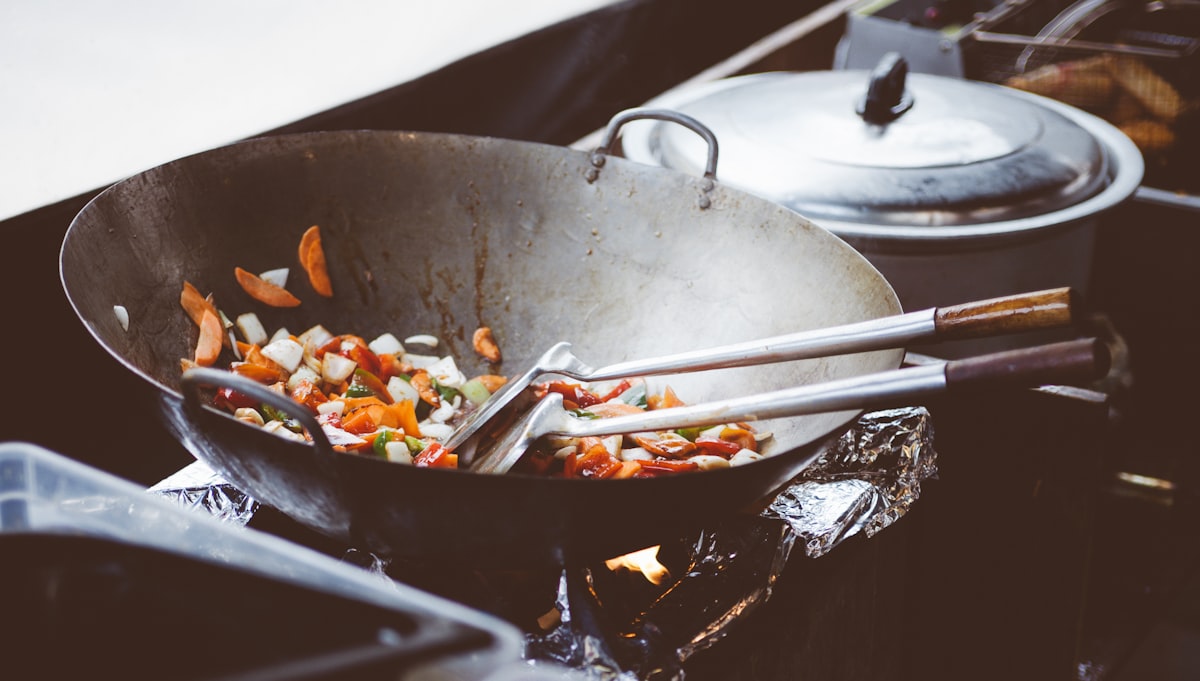
Steaming
Steam cooking uses hot water vapor to gently cook food without direct contact with boiling water. This method retains up to 95% of heat-sensitive vitamins and minerals, making it ideal for vegetables and delicate proteins.
Slow Roasting
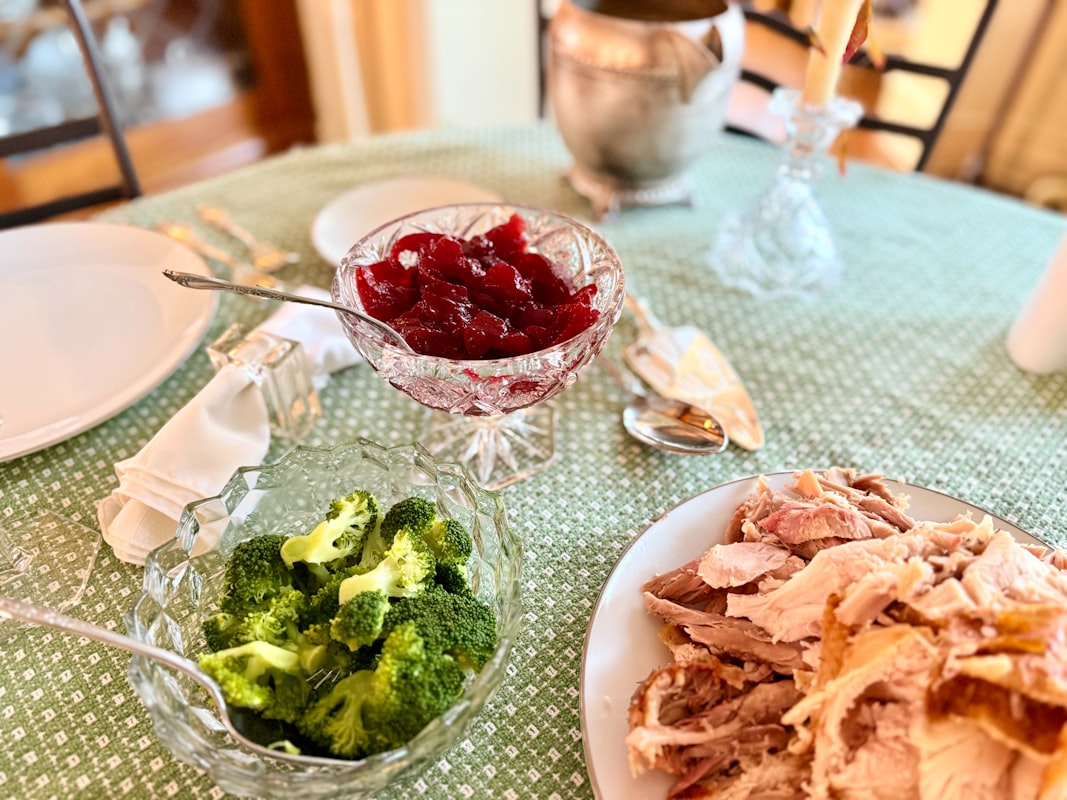
Roasting at lower temperatures (160–180°C) develops rich flavors while preserving essential nutrients. The dry heat creates a protective crust that seals in moisture and micronutrients, especially beneficial for root vegetables.
Poaching
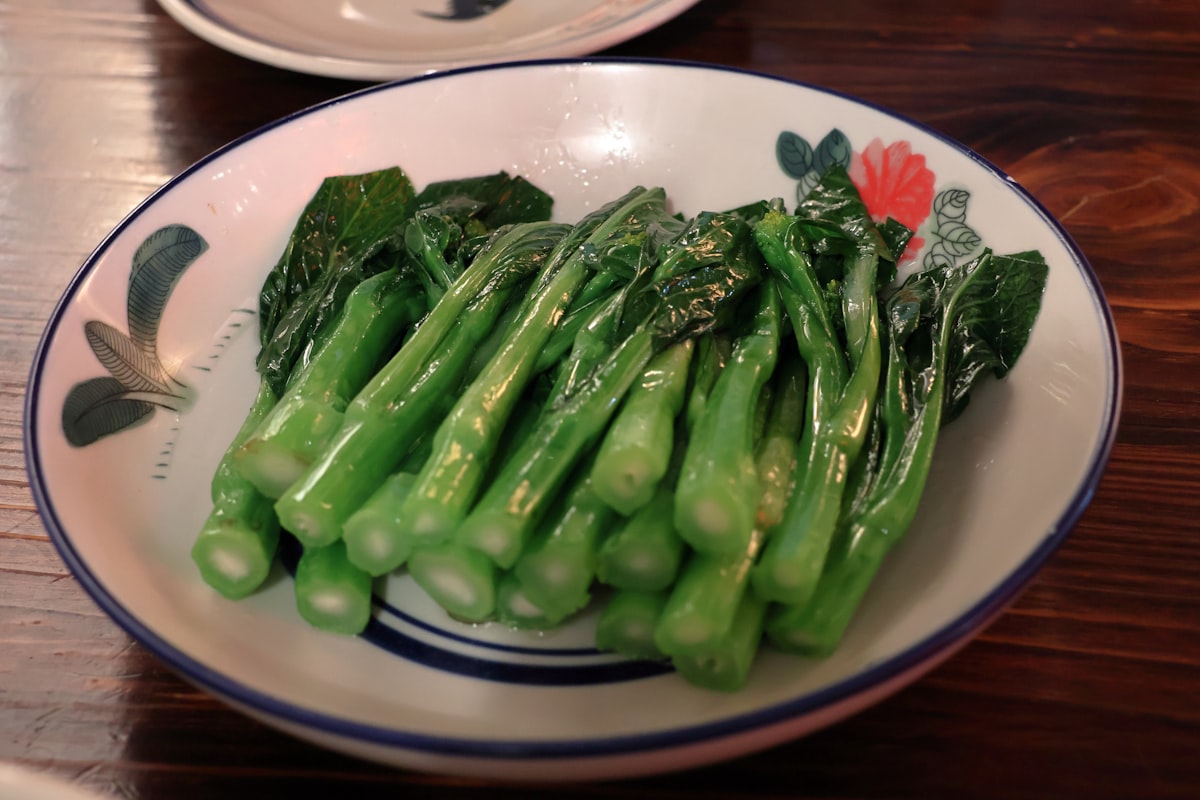
Poaching involves cooking food in gently simmering liquid well below boiling point. This gentle method is excellent for fish and eggs, preserving water-soluble B vitamins and maintaining tender texture without nutrient loss.
Pressure Cooking
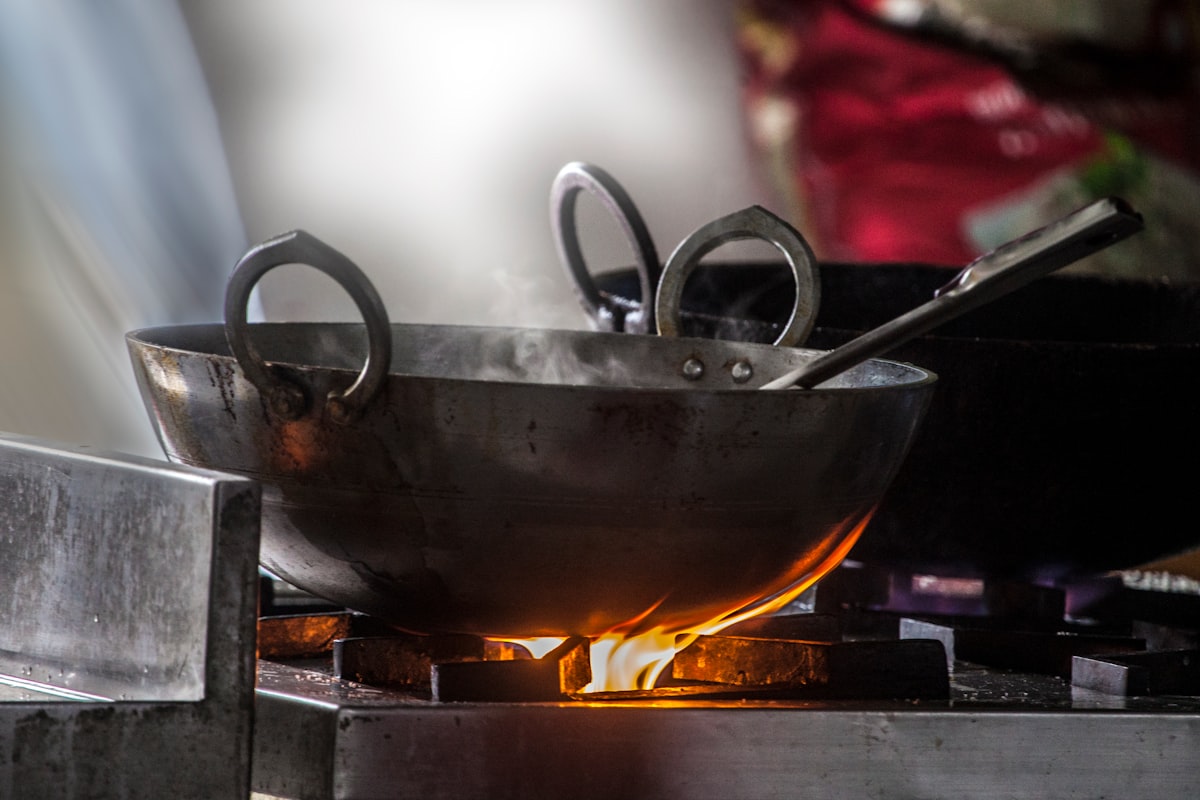
Modern pressure cookers use steam and controlled heat to cook food 30% faster than conventional methods. The sealed environment minimizes nutrient leaching while creating bioavailable minerals, particularly beneficial for legumes and whole grains.
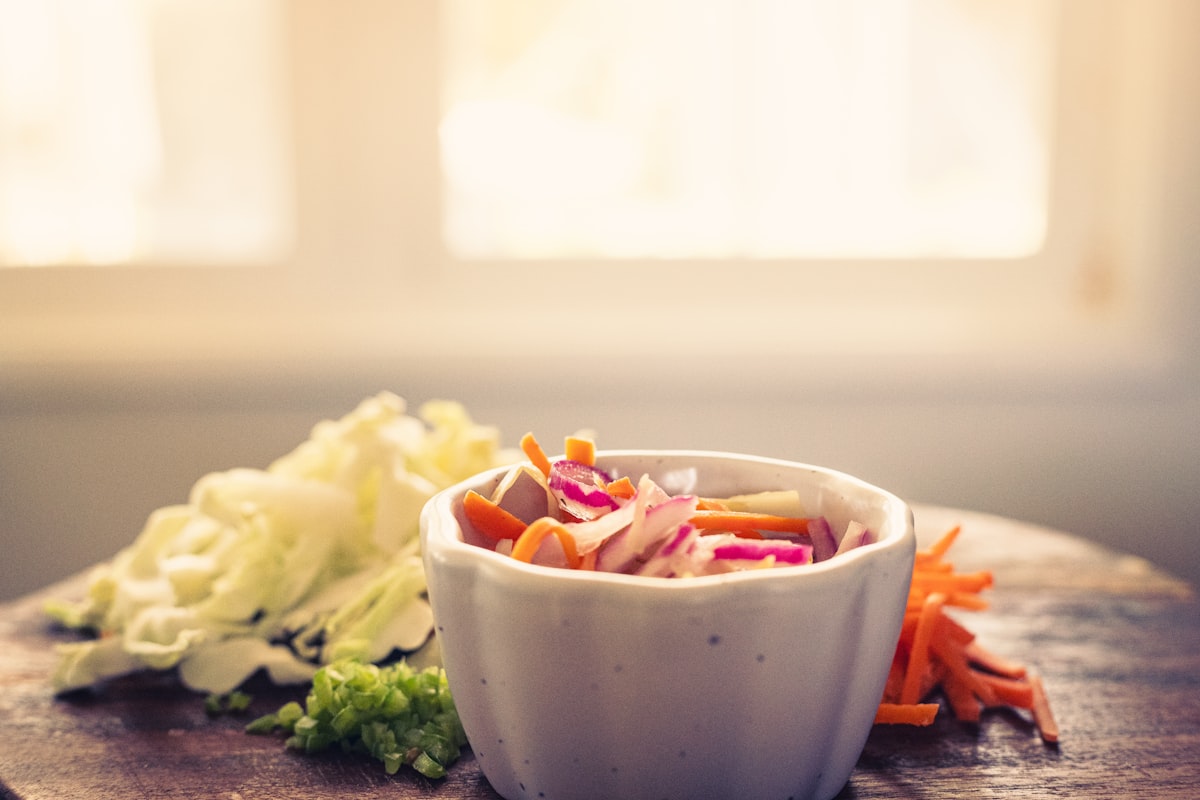
Raw Preparation
Raw eating preserves heat-sensitive enzymes and water-soluble vitamins intact. Fresh fruits and vegetables maintain maximum nutritional density, though certain nutrients like lycopene require gentle cooking to become fully bioavailable.
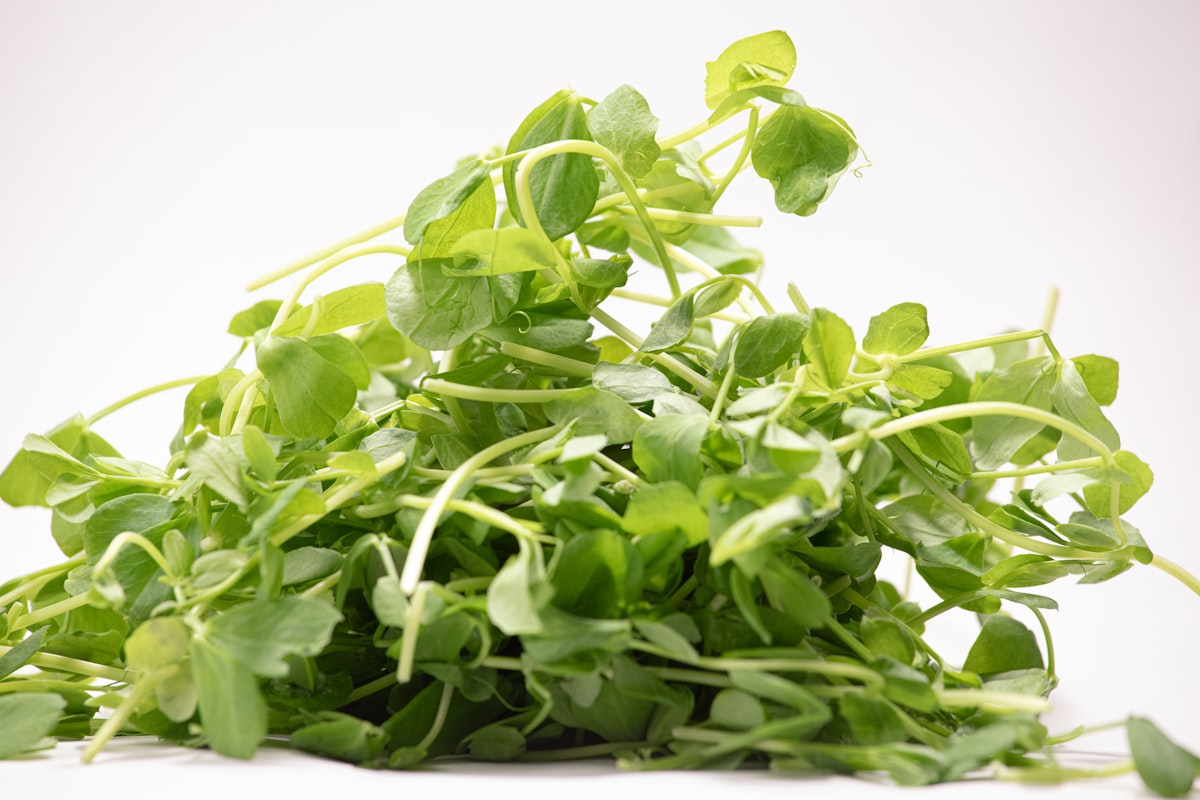
Sous-Vide Cooking
Sous-vide cooks food in vacuum-sealed bags at precise, low temperatures. This technique provides exceptional nutrient retention, flavor concentration, and eliminates nutrient-destroying temperature spikes common in traditional cooking.
Key Benefits of Nutrient-Conscious Cooking
Understanding proper cooking methods empowers you to maximize the nutritional value of every meal.
Maximum Nutrient Retention
Different cooking methods preserve different nutrients. Steaming locks in water-soluble B vitamins, while gentle roasting preserves fat-soluble vitamins A, D, E, and K that your body relies on for optimal function.
Enhanced Bioavailability
Proper cooking makes certain nutrients more accessible to your body. Lycopene in tomatoes, beta-carotene in carrots, and minerals in leafy greens become more bioavailable through strategic, gentle heat application.
Superior Flavor Development
Methods like slow roasting and pressure cooking concentrate natural flavors while preserving nutrition. You enjoy more satisfying, delicious meals without requiring added salt, sugar, or unhealthy fats to taste good.
Reduced Anti-Nutrient Compounds
Cooking can reduce problematic compounds like oxalates and phytic acid that interfere with mineral absorption. Strategic heating makes mineral-rich foods like spinach and beans nutritionally superior while maintaining their beneficial properties.
Five-Step Guide to Nutrient-Preserving Meal Preparation
Follow this systematic approach to ensure every meal maximizes nutritional value while maintaining delicious flavor.
Select Fresh, Quality Ingredients
Begin with vegetables, proteins, and grains at peak freshness. Nutrient density decreases immediately after harvest, so source from local farmers' markets or stores with high turnover. Organic options may contain fewer synthetic residues that cooking can concentrate.
Prepare Ingredients Thoughtfully
Cut vegetables just before cooking to minimize oxidation and nutrient loss. Leave nutrient-dense skins on potatoes, carrots, and apples when possible. Soak legumes and grains to reduce anti-nutrients, but use the soaking water for cooking to preserve minerals leached during this process.
Choose the Right Cooking Method
Match your ingredients to appropriate methods: steam or poach delicate vegetables and fish; roast root vegetables and proteins at moderate temperatures; pressure-cook beans and grains quickly; eat nutrient-dense greens raw with healthy fats to enhance absorption of vitamins A, D, E, and K.
Control Temperature and Time
Use precise temperature control to cook food thoroughly without destroying heat-sensitive vitamins. Avoid high-heat searing and prolonged boiling. Most vegetables cook optimally at 70–100°C; proteins at 65–75°C. Shorter cooking times preserve more nutrients—pressure cooking and sous-vide excel here.
Serve and Store Strategically
Eat cooked meals within a few hours while nutrients remain stable. If storing, keep in airtight containers at proper temperatures to slow nutrient degradation. Reheating should use gentle methods like steaming rather than microwaving, which can damage certain nutrient compounds through uneven heat distribution.
Nutrient Retention Rates Across Cooking Methods
Understanding how different techniques preserve essential vitamins and minerals helps you make informed cooking choices.
Steaming
Average nutrient retention
Excellent for water-soluble vitamins; minimal nutrient loss to cooking water.
Pressure Cooking
Average nutrient retention
Quick cooking time reduces nutrient exposure to heat; improved mineral bioavailability.
Slow Roasting
Average nutrient retention
Fat-soluble vitamins preserved; some B vitamins may degrade at higher temperatures.
Raw Preparation
All heat-sensitive compounds preserved
Maximum enzyme content; some nutrients less bioavailable without cooking.
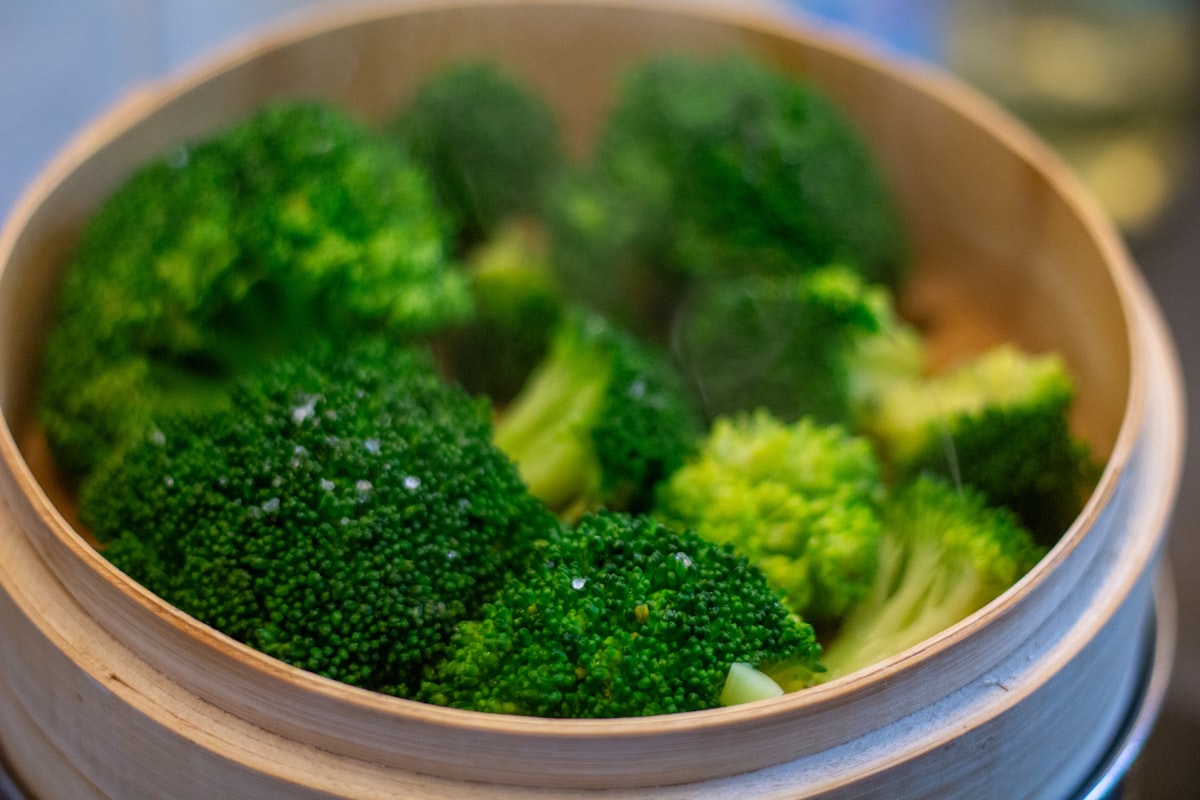
Why Steaming Outperforms Boiling
Boiling is a popular cooking method, but it leaches water-soluble vitamins and minerals directly into cooking water—nutrients most people discard. A study of broccoli showed that boiling retains only 45% of B vitamins, while steaming retained over 92%. This difference dramatically affects the nutritional value of your meal.
Steaming uses steam vapor rather than direct contact with hot water. Vegetables maintain their cellular structure, preserving both nutrients and texture. Heat-sensitive compounds like vitamin C, folate, and thiamine survive steaming far better than boiling. The steam penetrates vegetables uniformly, requiring shorter cooking times and minimizing nutrient degradation.
Additionally, steamed vegetables retain more compounds responsible for their vibrant colors—carotenoids, chlorophyll, and anthocyanins. These pigments carry potent antioxidant and anti-inflammatory properties crucial for optimal health. By choosing steaming over boiling, you preserve not only individual vitamins but entire nutrient profiles that work synergistically in your body.
Pro Tip:
If you do boil vegetables for recipes like soups or stews, retain the cooking water (broth) rather than discarding it. This liquid contains water-soluble vitamins and minerals leached from vegetables—incorporating it back into your meal recovers most of the lost nutrition.
Why Explore Our Content
We provide science-based, practical information to empower your kitchen decisions.
Evidence-Based Information
Our articles reference peer-reviewed research and practical studies on nutrient retention. We explain the science behind cooking methods so you understand why certain techniques work better than others.
Practical Kitchen Guidance
We translate nutritional science into actionable steps you can apply immediately. From equipment recommendations to step-by-step techniques, our content empowers you to cook more nutritiously right now.
Ongoing Learning
Our editorial team continuously publishes new articles exploring emerging techniques, specific nutrients, and food combinations. Stay informed about evolving research in nutrient-preserving cookery.
Community of Learners
Join others interested in nutrient-dense cooking. Share experiences, ask questions, and discover how passionate home cooks optimize their kitchen practices for maximum nutrition.
Comprehensive Coverage
We cover everything from individual nutrients and their cooking sensitivities to meal planning strategies that maintain nutritional integrity across entire days and weeks.
Sustainable Practices
Nutrient-preserving cooking often reduces waste and energy consumption. We explore how cooking methods that maximize nutrition also align with environmental responsibility and kitchen efficiency.
Real Stories from Health-Conscious Home Cooks
Discover how readers have transformed their kitchens with nutrient-preserving techniques.
"I started implementing these steaming techniques and noticed real changes within weeks. My vegetables stayed vibrant, my energy levels improved, and cooking actually became enjoyable rather than a chore. The science-based approach helped me understand exactly why each method matters. This has genuinely transformed how I feed my family."
Magdalena Kowalski
Warsaw
"As someone with active kids, meal prep used to feel overwhelming. These detailed guides about nutrient retention and batch cooking changed everything. I can now prepare nutritious meals efficiently, and I feel confident that what I'm serving actually nourishes their growing bodies. The content is accessible and genuinely helpful."
Piotr Lewandowski
Kraków
"I've read countless nutrition blogs, but this content actually explains the 'why' behind cooking methods. Understanding that steaming preserves 92% of vitamins while boiling retains only 45% completely shifted my approach. I invested in a proper steamer and the difference in food quality and my overall vitality is remarkable."
Joanna Lewandowska
Gdańsk
"I appreciate how this platform doesn't make exaggerated health claims. It's research-backed and honest. The articles on nutrient bioavailability finally explained why my raw salads, while healthy, benefit from pairing certain foods with gentle cooking. I now confidently mix raw and cooked preparations for optimal nutrition."
Andrzej Nowak
Wrocław
Common Questions About Nutrient Preservation
Find answers to questions about cooking methods, nutrient loss, and practical kitchen applications.
Steaming consistently preserves the highest percentage of nutrients, retaining approximately 92% of water-soluble vitamins and minerals. Pressure cooking comes close at 88% retention due to its rapid cooking time, while raw preparation maintains 100% of heat-sensitive compounds but may reduce bioavailability of certain nutrients. The optimal choice depends on your specific ingredient and nutritional goals.
Boiling leaches water-soluble nutrients like B vitamins and vitamin C into cooking water, reducing retention to 45-50%. However, boiling isn't inherently unhealthy—if you retain the cooking water (making soup or stew), you recover most lost nutrients. Additionally, boiling can make certain nutrients like lycopene in tomatoes more bioavailable. The issue arises when cooking water containing leached nutrients is discarded.
Sous-vide cooks food in vacuum-sealed bags at precise, low temperatures (typically 55-75°C), preventing temperature spikes that damage nutrients. This method excels at retaining heat-sensitive vitamins while making fat-soluble nutrients highly bioavailable. Unlike traditional high-heat cooking that can create potentially harmful compounds through browning, sous-vide maintains consistent, low heat throughout. It's particularly excellent for proteins and vegetables where precision temperature control matters.
The ideal approach combines both. Raw vegetables preserve enzymes and heat-sensitive vitamins, but gentle cooking increases bioavailability of nutrients like lycopene, beta-carotene, and minerals. Eat nutrient-dense greens raw with healthy fats (olive oil, nuts) to enhance absorption of fat-soluble vitamins. Cook tomatoes, carrots, and peppers gently to maximize nutrient accessibility. Varying preparation methods across your diet ensures you capture benefits of both approaches.
Essential equipment includes a stainless steel steamer basket or bamboo steamer for gentle steaming, a quality pressure cooker for fast, nutrient-retaining cooking of legumes and grains, and a food thermometer for precise temperature control. A quality cutting board and sharp knives reduce oxidation from rough cutting. While sous-vide circulators are useful, you can achieve excellent nutrient retention with basic steaming and gentle roasting at moderate oven temperatures. Start with steaming as your primary method.
Proper storage is crucial for nutrient preservation. Keep leafy greens in breathable containers with paper towels to absorb excess moisture, stored in the coldest part of your refrigerator. Store root vegetables in dark, cool places—ideally 50-60°F if you have a root cellar or cool basement. Keep herbs upright in water like flowers, covered loosely with a plastic bag. For berries, store unwashed in shallow containers lined with paper towels. Avoid washing produce until just before use, as moisture accelerates nutrient degradation. Frozen vegetables are often more nutrient-dense than fresh after 3-5 days of storage, as freezing locks in nutrients at peak ripeness.
What Our Community Says
Jennifer M.
Wellness Coach
"Wholelivingkitchen's nutrient guides transformed how I prepare meals for my family. We've noticed improved energy levels and digestion within weeks. The science-backed approach gives me confidence I'm doing it right."
Robert K.
Home Chef
"Finally, a resource that explains why certain cooking methods matter. I've optimized my kitchen tools based on their recommendations and taste the difference in every meal."
Sarah M.
Nutritionist
"I recommend Wholelivingkitchen to all my clients. The combination of practical kitchen wisdom and nutritional science is unmatched. It's become essential in my professional practice."
Ready to Transform Your Kitchen?
Join thousands of health-conscious home cooks who've mastered nutrient-preserving techniques. Get instant access to our complete guides, seasonal meal plans, and exclusive kitchen optimization tips.
✓ No spam • ✓ Unsubscribe anytime • ✓ Science-backed content
Wholelivingkitchen
Empowering home cooks with science-backed nutritional wisdom.
Resources
© 2024 Wholelivingkitchen – NIP: 951-157-18-70. All rights reserved. Crafted with for whole living.