
Preserve Nature's Goodness
Master the art of nutrient-rich cooking with proven methods that protect vitamins, minerals, and beneficial compounds in every meal. Discover how to cook smarter, not harder, and unlock the full potential of your ingredients.
The information on this site is for educational purposes only and does not constitute medical advice. Always consult a qualified healthcare professional before making health decisions.
Core Cooking Preservation Techniques
Steaming Method
Steaming preserves water-soluble vitamins by keeping food above boiling water rather than submerged. This gentle heat transfer retains up to 90% of heat-sensitive nutrients like vitamin C and B vitamins. It is one of the most effective methods for leafy greens, broccoli, and root vegetables. The short cooking time and minimal liquid contact make steaming ideal for busy weeknight meals without compromising nutritional value.
Low-Temperature Roasting
Roasting at lower temperatures (300–350°F) protects heat-sensitive compounds while developing natural flavors through gentle caramelization. This technique works exceptionally well for vegetables, nuts, and seeds, creating crispy textures without oxidative damage. The dry-heat method locks in minerals and fat-soluble vitamins like A, D, E, and K. Slow roasting also concentrates natural sugars and enhances umami flavors without added fats or sodium.
Slow-Cook Poaching
Poaching in simmering liquid at 160–180°F keeps food submerged in nutrient-rich broth while maintaining structural integrity. This method is perfect for delicate proteins, fruits, and grains that would break apart with vigorous boiling. The gentle environment allows water-soluble nutrients to remain in the food rather than leaching into the cooking liquid. Poaching also eliminates the need for added fats while creating tender, flavorful results in 15–40 minutes.
Raw & Sprouting Preparation
Eating raw foods preserves all heat-sensitive enzymes, vitamins, and phytonutrients that would otherwise degrade during cooking. Sprouting grains, seeds, and legumes activates dormant nutrients and increases bioavailability of minerals by reducing anti-nutrients. This living food approach maximizes the nutritional density of every bite. Combining raw preparations with lightly cooked meals creates balanced nutrition strategies throughout the week.
Quick Blanching & Shocking
Blanching involves brief immersion in boiling water (30 seconds to 2 minutes) followed by immediate ice-water submersion to halt cooking. This technique preserves bright color, firm texture, and 70–80% of vitamins while deactivating harmful enzymes. It is ideal for freezing vegetables while maintaining their nutritional profile for months. The quick timing prevents nutrient leaching while achieving optimal tenderness for raw consumption.
Minimal-Water Braising
Braising uses just enough liquid to create steam while the food cooks in its own juices and flavor compounds. This sealed-pot method keeps volatile nutrients contained rather than evaporating into the air. The slow, moist heat softens connective tissues in proteins while maintaining mineral content. Braising creates deeply flavored, nutrient-dense dishes in 45–90 minutes without requiring added fats or sodium-heavy sauces.
Steam vs. Boil: The Nutrient Difference
The choice between steaming and boiling dramatically impacts the nutritional quality of your vegetables. When food is submerged in boiling water, water-soluble vitamins—particularly B vitamins and vitamin C—leach into the cooking liquid and are lost when the water is discarded. Studies show that boiled broccoli loses 30–50% of its vitamin C content within just 5 minutes. In contrast, steaming keeps the food above the boiling water, allowing nutrients to remain locked inside the vegetable while gentle steam heat cooks it through.
Beyond vitamin retention, steaming also preserves the cellular structure of vegetables, keeping them firmer and more visually appealing. The shorter cooking time (typically 5–10 minutes for most vegetables) means less time for heat-sensitive compounds to degrade. Minerals like calcium, iron, and magnesium are largely retained during steaming since they do not dissolve in water. For maximum nutrient preservation, steam vegetables until just tender—usually when a fork pierces easily but the vegetable still has a slight firmness.
Pro Tip: Save steaming water to use as a base for soups or rice cooking—it contains trace minerals that leached from the vegetables, creating a nutrient-rich liquid.
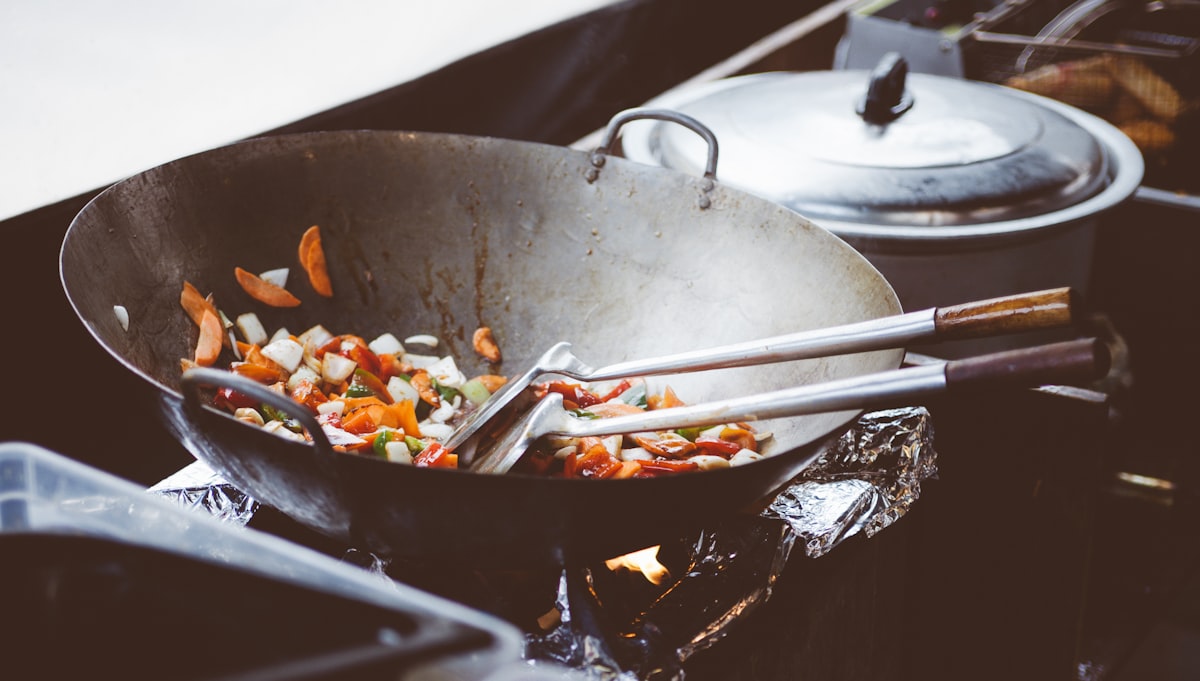
The 5-Step Nutrient Preservation Workflow
Select Fresh, Quality Ingredients
Begin by choosing produce that is ripe but firm, with vibrant color and no bruising. Fresh vegetables and fruits harvested at peak ripeness contain maximum nutrient density. Store them properly in cool, dark conditions to slow nutrient degradation—most vegetables lose 15–50% of vitamins within the first few days of storage. Local, seasonal produce typically retains more nutrients than items shipped long distances. Inspect your ingredients before cooking: soft spots, discoloration, or wilting indicate nutrient loss has already begun during storage.
Minimize Prep Time Before Cooking
Cut vegetables immediately before cooking, not hours in advance. Chopping increases surface area exposure to oxygen, accelerating oxidative damage to vitamins and phytonutrients. Once cut, vegetables begin losing vitamin C at a measurable rate—sometimes 5–10% per hour depending on temperature and humidity. Keep cut vegetables in a sealed container in the refrigerator if you must prep ahead. Whole vegetables maintain their protective skin barrier, preserving internal nutrients longer. Avoid soaking vegetables in water, as this leaches water-soluble vitamins and minerals into the liquid.
Choose the Right Cooking Method
Match your cooking technique to the food type and desired outcome. Delicate vegetables like spinach and asparagus benefit from steaming or quick sautéing. Root vegetables like carrots and beets can handle longer roasting or braising. Proteins cook best with poaching or low-temperature methods to preserve structure and nutrient bioavailability. Fish and seafood should be steamed or poached gently to avoid protein denaturation. Grains benefit from simmering in minimal water, then covered to trap steam. Consider the nutrient profile: fat-soluble vitamins (A, D, E, K) are better absorbed when paired with healthy fats like olive oil, while water-soluble vitamins require moisture-conscious cooking.
Control Temperature and Timing
Use lower temperatures and shorter cooking times whenever possible. Prolonged exposure to high heat destroys heat-sensitive vitamins (B vitamins, vitamin C, folate) and damages delicate phytonutrients. Most vegetables reach optimal tenderness in 5–12 minutes at gentle heat. Use a kitchen thermometer for proteins—cooking to safe temperatures at lower heat prevents both foodborne illness and nutrient degradation. Avoid bringing foods to rolling boils when possible; gentle simmering at 160–185°F accomplishes the same results with less nutrient loss. Frozen vegetables—which are often flash-frozen at peak ripeness—can actually retain more nutrients than fresh vegetables that have spent time in transit and storage.
Serve Immediately and Use Cooking Liquids
Serve cooked food promptly, as nutrients continue to degrade during holding and reheating. If you cannot serve immediately, keep food covered and warm (not hot) to minimize oxidation. Save steaming water, broth, and cooking liquids—they contain leached minerals and water-soluble vitamins that should not be discarded. Use these liquids as soup bases, cooking liquid for grains, or sauce foundations. When reheating leftovers, use gentle methods like steaming or low-temperature oven warming rather than high-heat microwaving. Pair cooked vegetables with fresh raw elements (fresh herbs, citrus juice, raw vegetables) to re-introduce heat-sensitive nutrients and enzymes lost during cooking.
Frequently Asked Questions
Not all cooking destroys nutrients—the cooking method and duration determine nutritional impact. While some heat-sensitive vitamins like C and folate do degrade with heat, other nutrients actually become more bioavailable after cooking. Lycopene in tomatoes, beta-carotene in carrots, and lutein in leafy greens are more easily absorbed by your body after gentle heating. Minerals like iron, calcium, and magnesium are largely unaffected by most cooking methods. The key is choosing low-temperature, short-duration cooking methods and avoiding prolonged boiling or extremely high-heat cooking.
Steaming is excellent for water-soluble vitamin preservation but is not universally "better" than all methods. Roasting at low temperatures concentrates flavors and preserves fat-soluble vitamins effectively. Braising creates nutrient-dense, deeply flavored dishes. Raw preparation preserves enzymes and all heat-sensitive compounds. The best approach combines multiple methods throughout the week—steam some vegetables, roast others, eat some raw, and poach proteins gently. This variety ensures you receive the full spectrum of nutrients from different food groups prepared optimally.
Freezing itself does not significantly destroy nutrients—it halts nutrient degradation by stopping enzyme activity and microbial growth. Commercial frozen vegetables, which are blanched then immediately frozen at peak ripeness, often retain more vitamins than "fresh" produce that has spent days in transit and storage. Home-frozen vegetables maintain 80–90% of their nutrient content for several months. The main consideration is the blanching process before freezing—if done correctly (brief immersion in boiling water followed by ice-water cooling), it actually helps preserve nutrients by deactivating degradative enzymes. Thaw frozen vegetables gently in the refrigerator or cook directly from frozen to minimize nutrient loss.
Most vegetables cook optimally between 160–190°F (70–88°C) using steaming or gentle simmering. For steaming, this translates to water temperature of 200–212°F with food suspended above it. This temperature range allows complete cooking while minimizing vitamin C loss and preventing excessive protein denaturation. For roasting, 300–350°F (150–175°C) is ideal for nutrient preservation while still developing beneficial browning reactions. Avoid rapid boiling (212°F+) and high-heat cooking (above 400°F for extended periods). Using a kitchen thermometer helps ensure you hit the sweet spot where food is properly cooked without nutrient loss from excessive heat exposure.
Yes, absolutely. Steaming water and cooking broth contain minerals, trace elements, and water-soluble vitamins that leached from food. This "vegetable stock" is nutritionally valuable and should not be discarded. Use it as a base for soups, grains, or sauces to recapture these lost nutrients. However, water from boiled vegetables contains fewer nutrients than steaming water because boiling leaches more compounds into the liquid. The longer vegetables boil, the more nutrients transfer to the water. By using short-duration steaming and capturing that water, you maximize nutrient retention both in the food and in the cooking liquid, creating a more nutrient-dense meal overall.
Microwave cooking can actually preserve nutrients well because it cooks quickly with minimal water and heat. Studies show microwaved vegetables retain 80–90% of their vitamin C content, which is comparable to steaming. The key advantage is speed—shorter cooking time means less nutrient degradation. However, microwaving is not ideal for all foods: delicate vegetables may become unevenly cooked, and some nutrients in proteins may be damaged by intense microwave radiation at high settings. For optimal results, use medium microwave settings with minimal added water, cover dishes to trap steam, and cook vegetables until just tender. Stovetop steaming remains the gold standard for nutrient preservation, but microwave cooking is a practical, nutrient-preserving option for busy schedules.
Chef and Nutritionist Insights
"Steaming vegetables changed everything about how I cook in my kitchen. The colors stay vibrant, the textures are perfect, and I know my family is getting maximum nutrition from every bite. It is a simple shift that has profound impact on daily health.
Chef Maria Kowalski
Warsaw, Poland
"Understanding nutrient preservation techniques gave me practical tools to educate clients about real food preparation. It is not about restriction—it is about maximizing the nutritional return from every ingredient you prepare with intention and knowledge.
Anna Lewandowski
Łódź, Poland
"Low-temperature roasting has become my signature technique. It brings out natural sweetness and umami flavors while preserving antioxidants that higher heat would destroy. My guests taste the difference immediately—they taste food that still has life in it.
Chef Piotr Nowak
Kraków, Poland
Deepen Your Knowledge
Explore comprehensive articles about nutrient preservation, cooking techniques, ingredient science, and meal planning strategies that support optimal health through informed food preparation.
Related Cooking Topics
Essential Cooking Methods
Explore detailed guides to steaming, roasting, poaching, braising, and other fundamental cooking techniques used worldwide.Learn more →
Food Preservation Strategies
Discover freezing, blanching, fermenting, and storage methods that maintain nutritional integrity between preparation and consumption.
Explore article →